Red-nosed Reindeer: A Whimsical Sans Serif for Festive Web Design
As a web designer, I spend a significant portion of my day evaluating typefaces not just for their aesthetic appeal, but for how they perform in real-world digital layouts. We often get caught up in the latest trends, but sometimes, the most effective design choices come from fonts that bring genuine personality and character to a brand. This is where Red-nosed Reindeer stands out. It is a hand-crafted font that defies the typical rigid structure of standard sans serif fonts, offering a whimsical alternative that can transform a sterile website into an engaging, human-centered experience.
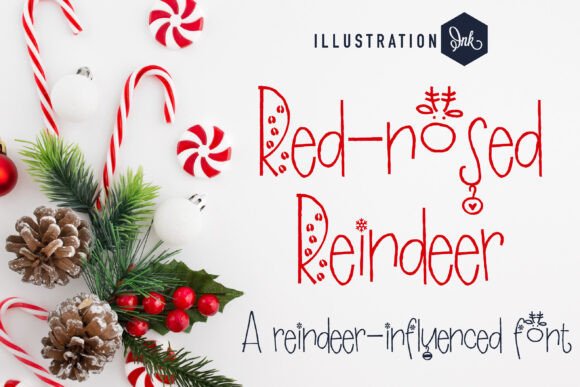
This creative font is designed with reindeer faces woven throughout the letterforms, making it more than just text—it is a visual narrative. For digital product creators, landing page designers, and SaaS founders, finding a typeface that balances playfulness with functionality is a constant challenge. Red-nosed Reindeer addresses this by providing a distinct voice without sacrificing the readability required for modern web standards. It is perfect for brands looking to inject warmth, humor, or holiday spirit into their online presence, whether that is a boutique online store, a coaching website, or a festive blog header.
Visual Personality and Digital Appeal
The core strength of Red-nosed Reindeer lies in its hand-crafted nature. Unlike mechanical sans serif fonts that can feel cold or corporate, this handwritten font style mimics the organic imperfections of human creation. The inclusion of reindeer motifs within the letters adds a layer of delight that captures attention immediately. In a crowded digital landscape, stopping the scroll is half the battle. When a user lands on a page featuring this display font, they are greeted with a sense of joy and curiosity that encourages them to explore further.
However, whimsy must be balanced with usability. As UI designers, we know that decorative elements should never compromise the user interface’s clarity. Red-nosed Reindeer is best utilized as a headline or accent type rather than body copy. Its unique shapes work beautifully in hero sections, banner ads, and promotional graphics where large sizes allow the intricate details of the reindeer faces to shine. On smaller screens or mobile devices, these details might become cluttered, so strategic sizing is key. By using this font sparingly, you create moments of visual interest that guide the user’s eye toward important conversion-focused layouts, such as call-to-action buttons or special offer banners.
Enhancing Visual Hierarchy and Brand Tone
Effective web design relies heavily on visual hierarchy—the arrangement of elements to imply importance. A well-chosen font pair can establish this hierarchy effortlessly. When using Red-nosed Reindeer, it serves as a powerful tool for establishing brand tone. It signals approachability, creativity, and fun. This makes it an excellent choice for creative portfolios, children’s education platforms, or seasonal marketing campaigns.
Consider a scenario where you are designing a landing page for a holiday-themed product launch. Using a standard sans serif font for the main heading might blend in with competitors. However, incorporating Red-nosed Reindeer instantly differentiates the brand. It creates a memorable impression that aligns with the festive mood. To maintain professionalism and ensure the content remains scannable, this playful typeface should be paired with a clean, neutral sans serif font for body text. This contrast allows the eyes to rest on the decorative headlines while reading detailed information comfortably. The combination of a creative font for titles and a simple, readable font for paragraphs ensures that your message is both engaging and accessible.
Practical Applications Across Digital Assets
The versatility of Red-nosed Reindeer extends beyond static web pages. It is a valuable asset in various digital contexts. For online store owners, it can add charm to product category headers or sale announcements. For course creators, it can make module titles feel inviting rather than academic. Here are some specific ways to integrate this font into your workflow:
- Hero Sections: Use it for short, punchy headlines that set the emotional tone of the page. Ensure there is sufficient contrast against the background image or color block.
- Social Media Graphics: Since many users encounter brands through social channels, using this font in Instagram posts or Pinterest pins can increase click-through rates by standing out in a feed.
- Email Marketing: Incorporate it in email headers to boost open rates and reinforce brand identity in newsletters.
- Digital Ads: For banner ads, the unique letterforms can capture attention quickly, provided the text size is large enough to remain legible.
- Portfolio Sites: Creative professionals can use it to showcase personality in their "About Me" section or project titles, distinguishing themselves from generic templates.
When implementing these assets, always consider the context. While the font is whimsical, it should still support the overall brand identity. If your brand is serious and data-driven, this font may not be appropriate. But for lifestyle brands, entertainment companies, or seasonal promotions, it is a powerful tool for building connection.
Readability and Technical Considerations
While the artistic value of Red-nosed Reindeer is high, technical implementation requires care. Readability is paramount for SEO and user experience. Google’s Helpful Content guidelines emphasize accessibility and ease of consumption. Therefore, avoid using this font for long blocks of text. Instead, reserve it for titles, subtitles, and short phrases. When placing text over images, ensure there is adequate contrast. Dark backgrounds with light text or vice versa work best. Test your designs on various devices to ensure the reindeer details do not blur or become indistinct on lower-resolution screens.
Font pairing is another critical aspect of modern typography. A good rule of thumb is to pair a decorative display font like Red-nosed Reindeer with a highly legible sans serif font for body copy. This creates a harmonious balance between style and function. You might also experiment with a serif font for secondary headings if you want to introduce a touch of editorial elegance, though sticking to a simple sans serif usually yields the cleanest result for digital interfaces.
Licensing and Commercial Use
Before integrating any premium font into your projects, it is essential to understand the licensing terms. Fonts are intellectual property, and using them without proper authorization can lead to legal issues. Red-nosed Reindeer is likely available under a commercial license that permits use in websites, client projects, and digital products. Always verify the specific terms regarding webfont embedding, print materials, and merchandise. For web designers working with clients, clear communication about font licensing helps avoid unexpected costs and ensures compliance. Many foundries offer separate licenses for desktop and web use, so check if you need to purchase additional rights for embedding the font via CSS or using services like Adobe Fonts or Google Fonts alternatives.
Conclusion
Incorporating Red-nosed Reindeer into your design toolkit offers a unique opportunity to enhance brand personality and user engagement. By leveraging its whimsical characteristics strategically, you can create web experiences that are not only visually striking but also emotionally resonant. Remember to balance its decorative nature with functional typography, prioritize readability across all devices, and adhere to proper licensing agreements. When used correctly, this hand-crafted font becomes more than just text—it becomes a vital component of your brand’s digital storytelling.